Why exercise is so important for the brain and (academic) performance
School in the morning, some afternoon lessons and then homework, studying for exams and the next school day - at home or at all-day school. Today, our children spend most of their time at their desks. Studies estimate that children and young people spend 40 hours a week studying at or for school - mostly sitting down. This is despite the fact that numerous experts have proven and known that cognitive performance can be increased by one thing in particular: Exercise and sport!
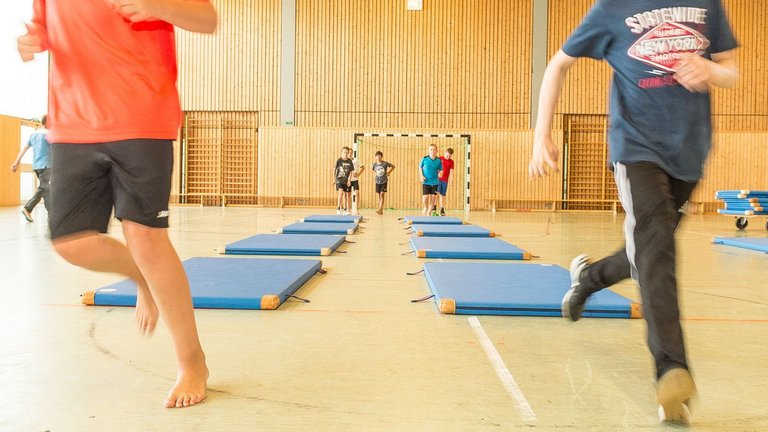
The problem is that pupils often no longer have time to do sport. The last children and youth sports report criticized that the G8 school year in many federal states and the expansion of all-day schools meant that sufficient exercise was no longer guaranteed in everyday life. Ambitious parents who, in view of today's meritocracy, focus more on school promotion than on compensation through physical activity, are also increasing our pupils' lack of exercise. The consequences: Physical postural or motoric damage, more and more unbalanced and overweight children.
More exercise - better performance
(Compulsory) school sports and exercise programs at schools and all-day schools play an even more important role. In PE lessons, pupils can let off steam, switch off for a while - and work on their socialization in games and sports together. Above all, however, physical activity supports academic performance. Pupils can return to other work fresher and more focused. "It would be disastrous if we were to cut back on physical education in our school system and therefore offer even less physical activity," emphasizes PE teacher Martin Probst-Kaiser for good reason:
The proven increase in cognitive functions through sport and exercise is due to the fact that stimulating the cardiovascular system also leads to an improved supply of oxygen to the brain. What's more, researchers have even been able to demonstrate a positive effect of exercise on brain development. In addition to an increase in brain matter, the formation of synapses and the strengthening of connections in the brain would be favored in regular exercisers. Promoting sport among young people can therefore ultimately also mean promoting intelligence.
Sports lessons alone are not enough
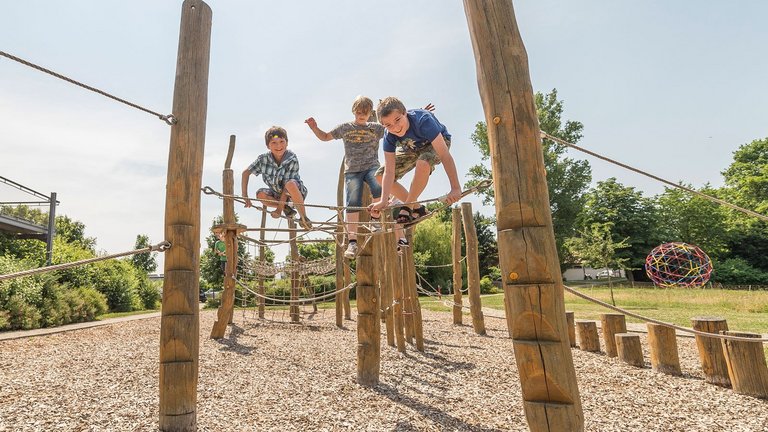
"It's clear that a few hours of PE lessons alone are not enough to get pupils enough exercise," says PE teacher Martin Probst-Kaiser. It's more about motivating children to exercise regularly, both at school and at home. On a small scale, this could be breaks in the fresh air, motor skills or movement breaks in lessons or during homework. For example, short coordination exercises or learning in motion, such as station learning. Even these moderate movements have been proven to improve performance. However, the aim should be a bigger picture: to incorporate sport and exercise into the daily rhythm: Send children to school by bike or on foot, schedule a sports break or quick walk in the afternoon after 2 hours of learning at the latest. Energy boosts for the brain, which incidentally also help to better recall what has already been learned.
Bringing school and sport together - the Schloss-Schule as an example
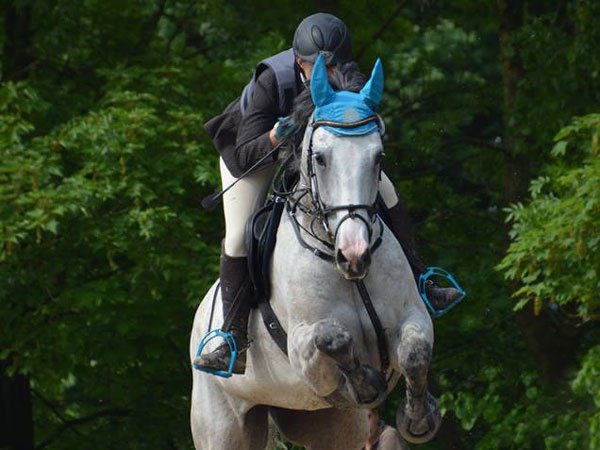
"Our focus is primarily on combining school and sport so that the children can combine the two in the best possible way," explains Martin Probst-Kaiser. For years now, extensive leisure activities - in harmony with homework and work lessons - have been part of the Schloss-Schule program. Climbing, soccer, judo, horse riding - two of the 30 or so sports and leisure activities on offer are compulsory for boarding school students. According to the principal, however, this obligation is gladly accepted - "many pupils even take more than two courses or clubs at the same time." What's more, the Schloss-Schule offers professional support for particularly talented athletes in the areas of horse riding and basketball. In competitive sport, the school cooperates with the Crailsheim Merlins basketball team and the skills of talented equestrian athletes are developed to a high level by active competition rider and boarding school director Melanie Wies. The Schloss-Schule boarding school promotes young sporting talent by combining training and sports appointments with individual timetables and study times. "After all, a healthy mind is known to live in a healthy body - and in addition to a healthy diet, it also needs plenty of exercise," summarizes Martin Probst-Kaiser.